
Quick Answers




Why is knurling not technically a machining process?
- June 19, 2025
- Jason Chang
- 9:29 am
Knurling is a common process used in the manufacturing industry to create a textured surface on a workpiece. While it may seem like a form of machining at first glance, knurling is not technically considered a machining process.
We will delve into the reasons why knurling is distinct from machining processes, exploring the nuances that differentiate the two.
Understanding Machining Processes
Before we delve into why knurling is not a machining process, let’s first establish what constitutes a machining process.
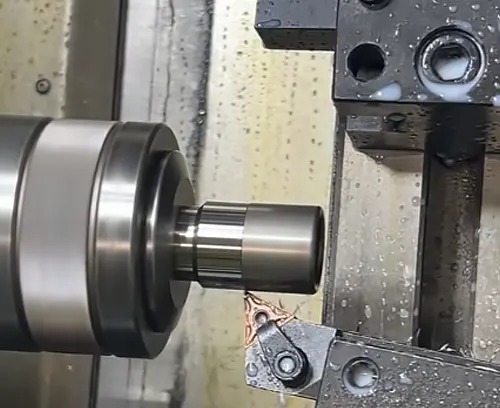
Machining is a subtractive manufacturing process in which material is removed from a workpiece to achieve the desired shape, size, and surface finish. Traditional machining processes include turning, milling, drilling, and grinding, among others.
These processes involve cutting tools that remove material from the workpiece through various mechanisms such as shearing, abrasion, and chip formation.
Knurling Defined
Knurling, on the other hand, is a manufacturing process in which a pattern of straight, angled, or crossed lines is rolled or pressed into the surface of a workpiece.
This process is typically used to create a better grip or aesthetic appeal on handles, knobs, and other surfaces that require increased friction.
Knurling is commonly used in applications where a slip-resistant surface is needed, such as in automotive components, hand tools, and machinery.
The Distinction between Knurling and Machining
One of the primary reasons why knurling is not considered a machining process is that it does not involve material removal.
Unlike traditional machining processes where material is cut away from the workpiece, knurling deforms the surface of the material to create the desired pattern.
This deformation does not result in the removal of material but rather a localized displacement that alters the surface texture.
Additionally, knurling is a cold-working process, meaning it is performed at room temperature without excessive heat or cutting fluids.
This is in contrast to machining processes such as turning or milling, which generate heat and require coolant or lubrication to dissipate the thermal energy produced during cutting.
The absence of material removal and the low-temperature nature of knurling set it apart from traditional machining methods.
The Knurling Process
Knurling is typically performed using a knurling tool consisting of two hardened wheels with sharp, raised teeth that form the desired pattern on the workpiece.
The knurling tool is pressed against the rotating workpiece, causing the teeth to engage with the surface and create the knurled pattern through a rolling action.
The pressure applied, along with the feed rate and speed of rotation, determines the depth and pitch of the knurled pattern.
Knurling patterns, including diamond, straight, and cross-hatched knurls, can be achieved.
Each pattern has unique properties and is chosen based on the specific requirements of the application. Knurling can be applied to a wide range of materials, including metals, plastics, and composites, making it a versatile manufacturing process.
Advantages of Knurling
Knurling offers several advantages over traditional machining processes, particularly in applications requiring a textured surface. Some of the key benefits of knurling include:
- Improved grip and traction
- Enhanced appearance and aesthetics
- Cost-effective alternative to machining
- Increased durability of surfaces
These advantages make knurling a preferred choice for creating textured surfaces on various products, from tools and equipment to consumer goods and industrial components.
Conclusion
In conclusion, knurling is a unique manufacturing process that differs from traditional machining methods in several key aspects.
While machining involves the removal of material to achieve the desired shape and finish, knurling deforms the surface of the workpiece to create a textured pattern without material removal.
The cold-working nature of knurling and its ability to create slip-resistant surfaces make it a valuable process in various industries.
By understanding the distinctions between knurling and machining, engineers and manufacturers can leverage the benefits of knurling to enhance the functionality and aesthetics of their products.